
- Mt. Kailash Tour
- Kailash Mansarovar Overland Tour
- Kailash Mansarovar Yatra by Helicopter – Complete Spiritual Journey Guide
- Kailash Yatra via Lucknow
- Kailash Mansarovar Tour via Lhasa
- Kailash Lhasa EBC Tour From Beijing
- Kailash Heli Tour via Kerung: Complete Spiritual Journey Guide
- Kailash Tour via Lhasa In Kerung Out
- Lhasa EBC Kailash Tour
- Kailash Heli Tour
- Kailash Mansarovar Yatra from Nepal: Best 2027 Package
- Kailash Nandi Kora
- Kailash Tour via Humla Simikot – 20 Days
- Mount Kailash Tour: 7 Amazing Experiences in 2027
- Trekking
- Tours
-
-
- Day Tours
- Rickshaw–a three-wheeler Tour
- Pharping Dakshinkali Day Tour: 7 Amazing Highlights
- Historical Tour: 7 Amazing Places to Explore
- Kathmandu Temple Tour
- Nagarkot Tour
- Bhaktapur City Tour: 7 Amazing Places to Explore
- Kathmandu City Tour – Complete Heritage & Cultural Experience in Nepal
- Chandragiri Hill: A Scenic Himalayan Escape Near Kathmandu
- Chitlang Hiking
- Shivapuri to Sundarijal Day Hiking
- Kulekhani Dam Day Tour — Complete Travel Guide
- Day Tours
-
- Package Tours
- Mustang Tour on Jeep
- Nepal Tour Package for Nepali: 12 Amazing Destinations to Explore (2026)
- Muktinath Tour: Complete Guide to Nepal’s Sacred Himalayan Pilgrimage
- 3N,4D Kathmandu Pilgrimage Tour
- Nepal Buddhist Pilgrimage Tour: 7 Sacred Sites Not to Miss
- 6D Nepal Pilgrimage Tour: 7 Amazing Sacred Places
- 7 Nights, 8 Days Nepal Tour
- Districts tour of Nepal
- Janakpur Tour Package: Price, Family Tour & Travel Guide from Kathmandu 2026
- Short Hike in Nepal: 7 Best Easy Treks for Beginners
- Package Tours
-
-
- Outbound
-
- Activities
- Company
- Travel Info
- Blogs
- Contact


WhatsApp
+977-9851035239

Email Us
[email protected]
5-Day Lhasa Tour: The Ultimate Tibet Adventure Guide



Trip Duration
5 Days
Trip Difficulty
Easy
Max. Altitude
3,490m. / 11,450ft.
Activity
tour, sightseeing
Destination
Tibet
Group Size
2-15 Pax
Accommodation
3-4 star hotel in kathmandu, Normal hotel during tourHighlights of 5-Day Lhasa Tour: The Ultimate Tibet Adventure Guide
- Explore the iconic Potala Palace, once home to the Dalai Lama and a UNESCO World Heritage Site
- Visit the sacred Jokhang Temple, the spiritual heart of Tibetan Buddhism
- Stroll through Barkhor Street and experience authentic Tibetan culture and local life
- Discover Drepung and Sera Monastery, home to centuries of Buddhist teaching and tradition
- Witness the famous monk debates at Sera Monastery’s courtyard
- Travel via the scenic Kathmandu to Lhasa flight or the adventurous overland bus route
- Get expert help with Tibet travel permits and visa arrangements
- Choose from flexible Lhasa tour packages suited to your budget and travel style
- Experience high-altitude Himalayan landscapes and rich Tibetan hospitality
- Perfect for travelers seeking culture, spirituality, and adventure in one unforgettable trip
Price starts
US$ 1700
We offer group discounts
-
1 -
4 person
US$ 1900
-
5 -
15 person
US$ 1700
-
16 over
9999
US$ 1550
Total Cost:
US$ 1900
Need Help?
Ask to Travel Expert
Trip Overview of 5-Day Lhasa Tour: The Ultimate Tibet Adventure Guide
Planning a Lhasa tour is one of the most rewarding decisions a traveler can make when exploring the Himalayan region. Nestled on the Tibetan Plateau at an elevation of over 3,600 meters, Lhasa is a city where ancient spirituality meets breathtaking mountain scenery, offering an experience unlike anywhere else on earth. Whether you are drawn by the golden rooftops of the Potala Palace, the chanting monks of centuries-old monasteries, or the raw beauty of the Tibetan landscape, a Lhasa Tour promises memories that last a lifetime. For travelers coming from Nepal, Lhasa is remarkably accessible, making it one of the most sought-after cultural destinations in Asia. This guide covers everything you need to know before booking your Kathmandu to Lhasa Tour, including permits, transport options, must-see attractions, cost breakdowns, and practical travel tips, so you can plan your journey with complete confidence.
Why Choose a Lhasa Tour from Kathmandu
A Lhasa tour from Kathmandu is one of the most convenient ways to enter Tibet, especially for travelers already exploring Nepal. Unlike routes through mainland China, which often require longer domestic connections and additional visa formalities, a Nepal to Tibet tour offers shorter travel times, simpler visa coordination through licensed agencies, and dramatic views of the Himalayas along the way. Kathmandu serves as the gateway for thousands of travelers each year who want to experience the spiritual capital of Tibet without the long detours required by other entry points.
Choosing a Lhasa Tour that starts in Kathmandu also means you can combine it with other Nepal travel experiences, such as sightseeing in the Kathmandu Valley or trekking in the Annapurna and Everest regions, making your overall trip more efficient and cost-effective. Many travel agencies in Kathmandu specialize in Lhasa tour packages, bundling permits, transport, and accommodation into a single seamless booking process. This convenience is a major reason why a growing number of international travelers choose Nepal as their launching point into Tibet rather than flying in through Chengdu or Beijing.
Additionally, the cultural overlap between Nepal and Tibet, particularly through shared Buddhist heritage, makes the transition between the two regions feel natural. Travelers often find that visiting Boudhanath and Swayambhunath in Kathmandu before their Lhasa tour provides helpful context for understanding the religious significance of sites like the Jokhang Temple and Potala Palace.
Best Time for a Lhasa Tour: Lhasa Tourism Overview
Lhasa tourism peaks between April and October, when the weather is mild and the mountain passes are clear of heavy snow. Summer months bring warm days and cool nights, ideal for sightseeing and photography, while also coinciding with several important Tibetan festivals that add cultural richness to your visit. Spring and early autumn are considered the best seasons for a Lhasa tour, as the skies are generally clear, humidity is low, and the Himalayan views along the route are at their most spectacular.
Winter is possible too, and some travelers actually prefer it for smaller crowds at major sites like the Potala Palace and Jokhang Temple, along with lower accommodation prices. However, certain overland routes may be affected by snowfall during the winter months, and some high-altitude passes could experience temporary closures. Understanding Lhasa tourism patterns will help you choose the right time to enjoy the city’s culture, festivals, and natural beauty at their fullest, while also avoiding unnecessary travel disruptions.
It’s also worth noting that Tibet occasionally closes to foreign tourists during certain politically sensitive periods, particularly in March. Checking with your travel agency about current entry regulations before booking a Lhasa tour is strongly recommended, as these closures can affect permit processing timelines.
How to Reach Lhasa from Kathmandu
Getting to Lhasa from Kathmandu can be done in two main ways, and each has its own advantages depending on your budget, available time, and travel preferences. Both options are popular among travelers booking a Lhasa tour, and the right choice often comes down to how much of the journey you want to spend on the road versus in the air.
Kathmandu to Lhasa Flight
The Kathmandu to Lhasa flight is the fastest and most scenic way to begin your Lhasa tour. This roughly 90-minute journey offers unmatched aerial views of the Himalayan range, including glimpses of Mount Everest on clear days, making it a memorable start to your Tibet adventure in its own right. Flights typically operate a few times a week depending on the season, so it’s important to book in advance, especially during peak Lhasa tourism months when seats fill up quickly.
While the Kathmandu to Lhasa flight is more expensive than the overland route, it saves significant travel time and reduces altitude-related discomfort, since you arrive directly at a high elevation rather than gradually ascending overland. This makes it a popular choice for travelers with limited vacation days or those who prefer a more comfortable, predictable journey. Keep in mind that because you skip the gradual acclimatization of the overland route, it’s especially important to rest on your first day in Lhasa before engaging in strenuous sightseeing.
Kathmandu to Lhasa Bus
For travelers who want a more immersive overland experience, the Kathmandu to Lhasa bus route is an excellent alternative. This multi-day journey passes through dramatic landscapes, remote Tibetan villages, high-altitude passes, and glacial valleys, giving you a gradual acclimatization to the elevation as you travel. A Kathmandu to Lhasa bus journey typically takes several days depending on road conditions, border formalities, and weather, with overnight stops in towns along the Friendship Highway.
While it requires more time and physical stamina, many travelers find the overland route far more memorable, as it allows for stops at scenic viewpoints, small monasteries, and towns not visible from the air. The gradual altitude gain also tends to reduce the risk of severe altitude sickness compared to flying directly into Lhasa’s elevation. This route is particularly appealing for travelers who see the journey itself, and not just the destination, as an essential part of their Tibet adventure.
Tibet Travel Permit Requirements for a Lhasa Tour
Before booking any Lhasa tour, it is essential to understand the permit process, as Tibet operates under different travel regulations than the rest of China. Foreign travelers cannot enter Tibet independently; a Tibet Travel Permit is mandatory and must be arranged through a licensed travel agency in advance. This permit, along with a Chinese group visa for travelers from Nepal, is required to access Lhasa and its surrounding regions, and independent travel without a registered guide is not permitted.
Processing usually takes at least 15 to 20 working days, so early planning is critical, particularly if you’re traveling during peak season when demand for permits is high. Some travelers may also need additional permits for specific areas outside Lhasa city, such as border regions or more remote parts of the Tibetan Plateau, depending on their itinerary. These additional permits, including the Alien’s Travel Permit and Military Permit for certain restricted zones, are typically arranged by your tour operator once your general Tibet Travel Permit is confirmed.
It’s important to work only with licensed, reputable agencies when arranging your Lhasa tour, as permit fraud or delays from unlicensed operators can result in canceled trips or denied entry at the border. You can check current regulations through the official Tibet Tourism Bureau before finalizing your travel dates, and it’s wise to confirm your passport has at least six months of validity remaining before applying.
Top Lhasa Tourist Attractions You Must Explore
No Lhasa tour is complete without visiting the city’s most iconic landmarks. These Lhasa tourist attractions showcase centuries of Tibetan Buddhist culture, architecture, and history, and together they form the core of what makes a trip to Lhasa so unforgettable.
Potala Palace
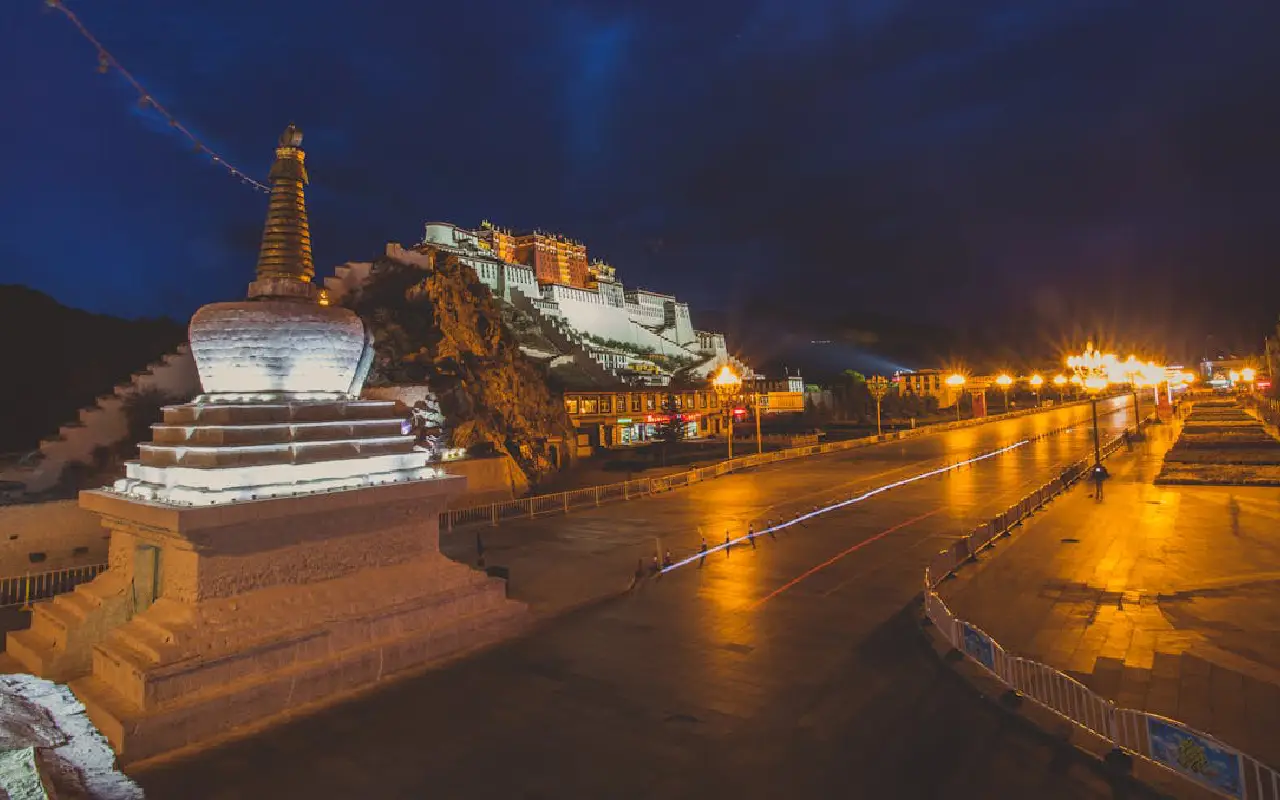
The Potala Palace is the crown jewel of any Lhasa tour. Once the winter residence of the Dalai Lama, this UNESCO World Heritage Site rises dramatically above the city and houses hundreds of rooms, shrines, and ancient artifacts, including elaborate murals and preserved relics dating back centuries. Visitors need to book entry tickets in advance due to strict daily visitor limits designed to preserve the structure, so plan this stop early in your itinerary rather than leaving it for the last day. Climbing the palace steps also offers panoramic views over the city of Lhasa, making it as rewarding for photography as it is for its historical significance.
Jokhang Temple
Considered the spiritual heart of Tibet, the Jokhang Temple attracts pilgrims from across the region who come to prostrate themselves before its sacred statues, often after walking for weeks to reach the site. Built in the 7th century, this temple is a must-visit for anyone interested in Tibetan Buddhism and remains one of the most active religious sites in Lhasa, filled daily with the scent of butter lamps and the sound of chanting prayers. Its rooftop also offers close-up views of the golden ornaments that top the building, along with a direct line of sight to the Potala Palace in the distance.
Barkhor Street
Surrounding the Jokhang Temple, Barkhor Street is a bustling circular route lined with shops, teahouses, and market stalls selling prayer wheels, jewelry, and traditional Tibetan crafts. Walking or joining pilgrims on their ritual circuit here offers an authentic glimpse into daily Tibetan life, making it one of the most vibrant Lhasa tourist attractions for cultural immersion. Evenings on Barkhor Street are especially lively, as locals and monks alike walk the circuit while spinning handheld prayer wheels.
Drepung Monastery
Once the largest monastery in the world, Drepung Monastery sits on the outskirts of Lhasa and was historically home to thousands of monks studying Tibetan Buddhist philosophy. Its whitewashed buildings and peaceful courtyards make it a serene stop on any Lhasa tour itinerary, offering insight into monastic life and Tibetan religious education. The monastery’s elevated position also provides sweeping views of the Lhasa valley, making the walk up especially worthwhile on a clear day.
Sera Monastery
Famous for its lively monk debates held in the courtyard each afternoon, Sera Monastery is another essential stop on your Lhasa tour. Watching young monks engage in animated philosophical discussions, complete with dramatic hand gestures and rapid-fire questioning, is a unique experience that draws travelers from around the world. These debates are a genuine part of monastic education rather than a staged performance, giving visitors a rare, authentic window into how Buddhist philosophy is taught and tested in Tibet today.
Lhasa Tour Cost: Package Price from Kathmandu
Understanding the Lhasa Tour cost is essential for proper trip planning. A typical Lhasa Tour Package from Kathmandu price includes permits, accommodation, transportation, a licensed local guide, and entrance fees to major sites, though the exact figure varies significantly based on several factors. Prices vary depending on the season, group size, and whether you choose the flight or overland route, with flight-inclusive packages generally costing more due to higher transport expenses.
Group Lhasa Tour Packages tend to be more affordable per person, since permit processing and guide fees are shared among travelers, while private tours offer more flexibility and a personalized schedule at a higher overall cost. Accommodation choice also plays a major role in the final Lhasa Tour cost, as Lhasa offers everything from budget guesthouses to luxury hotels near the Potala Palace.
It’s advisable to compare multiple Lhasa Tour Packages from different operators to ensure you’re getting fair pricing along with proper permit handling, since unlicensed agencies can cause delays or complications at the border, or in the worst case, deny you entry altogether. When comparing prices, always ask exactly what’s included, since some Lhasa tour packages exclude international flights to Kathmandu, personal expenses, or optional side trips, which can significantly affect your total budget.
Types of Tibet Tour Packages to Choose From
Depending on your interests, there are several types of Tibet Tour Package options available for travelers booking a Lhasa Tour, each catering to a different kind of traveler.
- Tibet Cultural Tour—Focused on monasteries, temples, and local traditions, this option is ideal for travelers wanting a deep dive into Tibetan Buddhist heritage, religious practices, and the daily lives of local communities.
- Tibet Overland Tour—Combines the Kathmandu to Lhasa bus route with stops at natural landmarks, glaciers, and remote villages, offering a more adventurous experience for travelers who enjoy scenic road journeys.
- Standard Lhasa City Tour—A shorter package focused purely on Lhasa’s main attractions, suited for travelers with limited time who still want to experience the city’s most important cultural sites.
Choosing the right Tibet tour package depends on your available time, budget, and whether you prioritize culture, adventure, or convenience. Many agencies also offer customizable packages, allowing you to combine elements of each type to create a Lhasa tour tailored to your specific interests.
Essential Tips for Your Lhasa Tour
Careful preparation makes a significant difference in how much you enjoy your trip. Keep these points in mind while planning your Lhasa tour.
- Acclimatize properly, since Lhasa sits at over 3,600 meters above sea level and altitude sickness is common among first-time visitors, especially those arriving by flight rather than overland.
- Book your Tibet travel permit and group visa well in advance through a licensed agency, ideally at least three to four weeks before your intended travel dates.
- Pack layered clothing, as temperatures can shift dramatically between day and night, even during the warmer summer months.
- Respect local customs and religious practices, especially inside monasteries and temples, where photography may be restricted in certain areas.
- Carry cash, as card payments are not widely accepted outside major hotels, and ATMs can be limited outside the city center.
- Stay hydrated and avoid alcohol during your first two days to help your body adjust to the high altitude more comfortably.
- Learn a few basic Tibetan or Mandarin phrases, as this can enhance interactions with locals and show respect for the culture you’re visiting.
Conclusion
A Lhasa Tour is more than just a trip; it’s a journey into one of the most culturally rich and spiritually significant regions in the world. From the grandeur of the Potala Palace to the lively streets of Barkhor, every part of a Kathmandu to Lhasa tour offers something unforgettable. Whether you choose to fly in for convenience or take the scenic Kathmandu to Lhasa bus route, proper planning around permits, cost, and timing will ensure your Lhasa Kathmandu Tour is smooth and memorable. With the right preparation, a licensed travel agency, and an open mind toward Tibetan culture, your Lhasa Tour has the potential to become one of the most meaningful travel experiences of your life. Start planning your Lhasa tour today and experience Tibet the way it deserves to be seen.
Detail Itinerary of 5-Day Lhasa Tour: The Ultimate Tibet Adventure Guide
Day 01: Arrival in Lhasa and Acclimatization
Arrive in Lhasa via flight or overland bus from Kathmandu, depending on your chosen route. Upon arrival, you’ll be transferred to your hotel by our team. Given Lhasa’s high altitude of over 3,600 meters, this day is kept light to allow your body to acclimatize. Rest, stay hydrated, and take a short evening walk near your hotel if you’re feeling well. Overnight stay in Lhasa.
Highest Altitude
1300m. (kathmandu)
Accommodation
HotelDay 02: Potala Palace and Jokhang Temple Tour
After breakfast, begin your sightseeing with a visit to the iconic Potala Palace, once the winter residence of the Dalai Lama and one of the most significant landmarks in Tibetan history. In the afternoon, visit the sacred Jokhang Temple, the spiritual heart of Tibetan Buddhism, followed by a walk around Barkhor Street to experience the local market and pilgrim circuit. Overnight stay in Lhasa.
Highest Altitude
3490m. (Lhasa)
Accommodation
HotelDay 03: Drepung and Sera Monastery Excursion
Today is dedicated to exploring two of Tibet’s most important monasteries. Visit Drepung Monastery in the morning, once the largest monastery in the world, known for its peaceful courtyards and rich monastic history. In the afternoon, head to Sera Monastery to witness the famous monk debates, a lively and unique tradition held daily in the monastery courtyard. Overnight stay in Lhasa.
Highest Altitude
3490m. (Lhasa)
Accommodation
HotelDay 04: Leisure Day and Optional Sightseeing
Use this day at your own pace, either relaxing in Lhasa or opting for additional sightseeing such as Norbulingka Palace or a local Tibetan market visit (optional, at extra cost). This day can also be used as a buffer for altitude adjustment or to revisit any site you’d like to explore further. Overnight stay in Lhasa.
Highest Altitude
1300m. (kathmandu)
Accommodation
HotelDay 05: Departure from Lhasa
After breakfast, transfer to Lhasa Gonggar Airport or the departure point for your journey back to Kathmandu, either by flight or overland bus, marking the end of your Lhasa Tour with memories of Tibet’s rich culture and stunning landscapes.
Highest Altitude
1300m. (Kathmandu)
Accommodation
Hotel
- The above itinerary is a suggested plan and may be adjusted depending on flight schedules, permit processing, weather conditions, or local circumstances in Tibet.
- Sightseeing orders on Day 2 and Day 3 may be rearranged based on monastery visiting hours, local events, or guide availability, without affecting the overall trip experience.
- Day 4 is kept flexible and can be customized with optional excursions such as Namtso Lake or Ganden Monastery at an additional cost, depending on your interest and time availability.
- In case of political restrictions, natural calamities, or government-imposed travel bans in Tibet, the itinerary may need to be shortened, modified, or rescheduled, and an alternative plan will be provided.
- Entry to certain monasteries or the Potala Palace may be limited or closed on specific days due to religious events or maintenance; in such cases, an alternate site of similar significance will be included.
- Altitude acclimatization is prioritized over strict adherence to the schedule, so your guide may adjust the day’s activities if any traveler shows signs of altitude sickness.
- Meal times and transportation timings mentioned are approximate and may vary slightly based on real-time conditions during the trip.
- This itinerary assumes a private group tour; timings and flexibility may differ slightly for larger group departures.
Includes and Excludes
What is included?
- Tibet Travel Permit and Chinese Group Visa processing fees
- All ground transportation in Tibet (private vehicle as per itinerary)
- Kathmandu to Lhasa flight or overland bus fare (as per package selected)
- Accommodation throughout the trip (3-star / 4-star, twin sharing)
- Daily breakfast during the trip
- Licensed English-speaking Tibetan tour guide
- Entrance fees to Potala Palace, Jokhang Temple, Drepung Monastery, and Sera Monastery
- All applicable government and local taxes
- Bottled water during sightseeing tours
- Airport/border pickup and drop-off
What is excluded?
- International airfare to and from Kathmandu
- Nepal entry visa fees
- Lunch and dinner throughout the trip
- Personal travel insurance
- Tips and gratuities for guide and driver
- Personal expenses (shopping, laundry, phone calls, etc.)
- Extra activities or sightseeing not mentioned in the itinerary
- Potala Palace ticket reservation fee (if booked on short notice, subject to availability)
- Any costs arising from natural calamities, flight delays, or political disruptions
- Alcoholic beverages and cold drinks
Trip Information
-
- Duration: 5 Days
- Destination: Lhasa, Tibet
- Starting Point: Kathmandu, Nepal
- Trip Type: Cultural & Sightseeing Tour
- Transportation: Kathmandu to Lhasa Flight or Overland Bus
- Max Altitude: 3,656 m / 11,995 ft (Lhasa City)
- Best Season: April to October
- Accommodation: 3-Star / 4-Star Hotels (Upgradable)
- Meals: Breakfast Included
- Permits Required: Tibet Travel Permit & Chinese Group Visa
- Difficulty Level: Easy to Moderate
Frequently Asked Questions
How many days do I need for a Lhasa Tour?
A standard Lhasa Tour typically takes 5 days, which is enough time to comfortably visit the Potala Palace, Jokhang Temple, Barkhor Street, and the major monasteries while allowing for proper altitude acclimatization.
What is the Lhasa Tour cost from Kathmandu?
The Lhasa Tour Package from Kathmandu price varies depending on the season, group size, and mode of transport chosen (flight or overland bus). It’s best to request a customized quote based on your travel dates and preferences.
Do I need a visa to visit Lhasa from Nepal?
Yes, travelers from Nepal require a Chinese Group Visa along with a Tibet Travel Permit. Both must be arranged through a licensed travel agency in advance, as independent travel into Tibet is not permitted.
Is it better to fly or take the bus from Kathmandu to Lhasa?
Both options have advantages. The Kathmandu to Lhasa flight is faster and more scenic, while the Kathmandu to Lhasa bus route allows for gradual altitude acclimatization and a more immersive overland experience.
Is Lhasa safe for altitude sickness?
Lhasa sits at over 3,600 meters, so mild altitude sickness is common. Staying hydrated, resting on your first day, and avoiding alcohol can help. Travelers with serious heart or lung conditions should consult a doctor before the trip.
What is the best time for a Lhasa Tour?
The best time is between April and October, when the weather is mild and mountain passes are clear. Winter is also possible but may involve colder temperatures and occasional overland route disruptions.
What documents are required for the Tibet Travel Permit?
You’ll need a valid passport with at least six months of remaining validity, passport-sized photos, and your Nepal visa (if applicable). Your travel agency will handle the permit application on your behalf.
Can I travel to Lhasa independently without a guide?
No, foreign travelers must be accompanied by a licensed guide throughout their time in Tibet. Independent travel without a registered tour is not permitted under current regulations.
What should I pack for a Lhasa Tour?
Pack layered clothing for temperature shifts, sunscreen, sunglasses, comfortable walking shoes, and any personal medication. A basic altitude sickness remedy is also recommended.
Are meals included in Lhasa Tour Packages?
Most Lhasa tour packages include daily breakfast, while lunch and dinner are usually at your own expense, giving you the flexibility to try different local restaurants.
Trip Reviews
Price starts
US$ 1700
Need Help?
Ask to Travel Expert